



Kiwis & Coins: A Brief History of New Zealand Currency

May
Here and now, New Zealand’s currency is known as the New Zealand dollar (NZD). Some choose to call the NZD the more affectionate moniker of ‘kiwi’, too! This currency circulates in New Zealand, Tokelau, Niue, the Pitcairn and the Cook Islands, and is fairly similar to most other global currencies; it shares the standard bill denominations ranging from $5 to $50.
Yet, things weren’t always this way. In fact, New Zealand’s currency has experienced a major transformation over time.
The 19th Century
In the 1850s, amidst New Zealand’s very own ‘Gold Rush’ and the throes of colonisation, a distinct currency did not exist for New Zealand in ‘official’ and legal terms. In fact, it was British and foreign currencies that circulated throughout New Zealand in varying forms – gold, silver and bronze coins included. The use of British currency in New Zealand was solidified at the end of the 19th century with the Imperial Coinage Act of 1870.
The 20th Century
It was only in 1933 that New Zealand introduced a currency of its very own with coins that mirrored British denominations and weights for easier trade, and to keep the value of the currency stable.
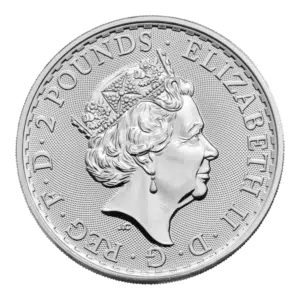
These very first ‘official’ coins – for there was some development of an indigenous currency in New Zealand prior to this – featured the native birds of New Zealand on the ‘tails’ side and the British monarch on the other.
Soon, the Reserve Bank of New Zealand was established in 1934, producing a series of original banknotes that featured various designs, including a kiwi, and the Māori King Tawhiao! Nevertheless, it was another few decades before the standard currency of pounds and shillings was replaced by dollars and notes.
New Zealand finally decimalised its currency in 1967 by dividing it into 100 parts. This process truly marked the evolution of the New Zealand pound into NZD!
Since 1999, New Zealand has produced polymer and plastic versions of the New Zealand dollar, increasing their security against counterfeiting. The currency was again updated many years later – 2015, to be exact, in the 21st century! – with brighter colours and stricter security features.
When it comes to valuable coins, Kiwis should take measures to protect them from theft and damage at all costs. Luckily, you can store almost anything in a safe deposit box.
Provided on-site by the reputable Commonwealth Vault – New Zealand’s leading bullion merchants – you can buy deposit boxes in Auckland to secure your goods. If you’re unable to buy, you can still protect your coins by renting a deposit box of any size for as long as you’d like.
To find out more, explore the Commonwealth Vault website, or contact a member of our team.